

Tooth whitening lightens teeth and helps to remove stains and discoloration. Whitening is among the most popular cosmetic dental procedures because it can greatly improve how your teeth look. Most dentists perform tooth whitening.
Whitening is not a one-time procedure. It will need to be repeated from time to time if you want to maintain the brighter color.
What It's Used For
The outer layer of a tooth is called the enamel. The color of natural teeth is created by the reflection and scattering of light off the enamel, combined with the color of the dentin under it. Your genes affect the thickness and smoothness of the enamel. Thinner enamel allows more of the color of the dentin to show through. Having smoother or rougher enamel also affects the reflection of light and therefore the color.
Every day, a thin coating (pellicle) forms on the enamel and picks up stains. Tooth enamel also contains pores that can hold stains.
The most common reasons for teeth to get yellow or stained are:
- Using tobacco
- Drinking dark-colored liquids such as coffee, cola, tea and red wine
- Not taking good care of your teeth
Aging makes teeth less bright as the enamel gets thinner and the dentin becomes darker.
In Office Whitenning
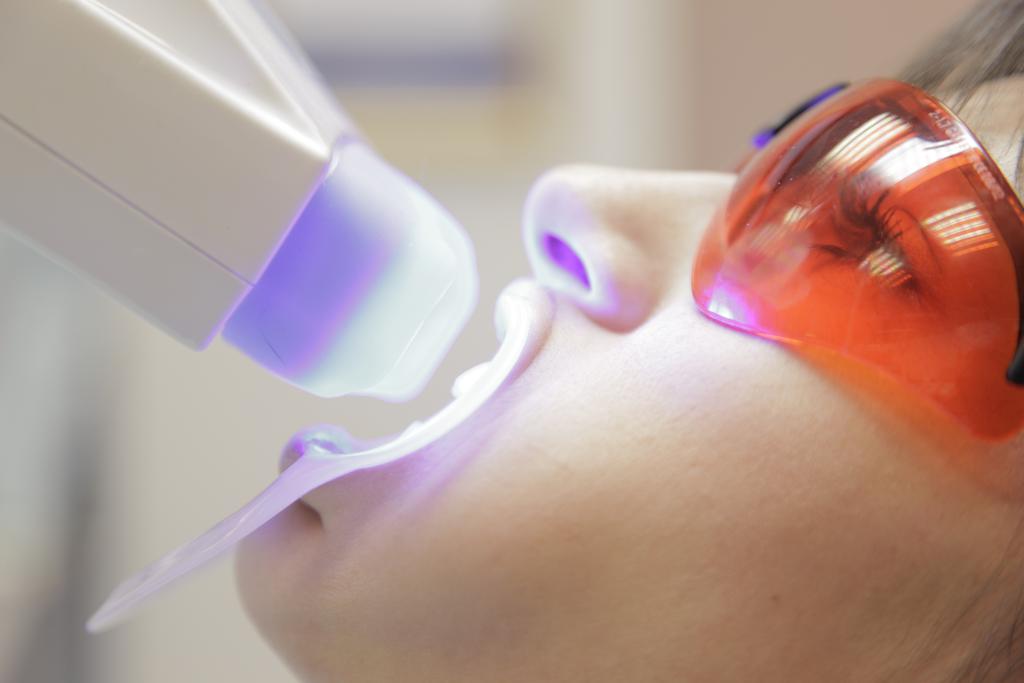 Professional tooth whitening in a dental office is the preferred whitening method because even though stronger agents are applied, the rest of the mouth, including the gums, is protected from these materials. The best whitening systems feature a buffer in the gel that protects the tooth enamel from damage, are extremely effective,and can transform teeth in a single office visit. Your teeth can literally brighten up to 10 shades in about an hour.
In-office whitening affects only the front eight teeth and is a great jump start for take-home whitening, which is always part of an effective whitening program.
Your dentist is best qualified to handle any issues that may arise from whitening treatments, such as tooth sensitivity. Today most tooth sensitivity cases are easily managed.
Home Whitenning
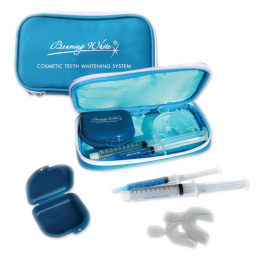 Commercially available tooth whitening systems have become popular, mainly because they’re relatively inexpensive and easy to use.
There are a few over-the-counter tooth whitening methods that can be purchased without your dentist’s supervision. They include whitening strips, paint-on tooth gel, mouth trays with gel, whitening toothpaste, and even whitening gum. These are typically safe products, but if you have oral concerns, it’s a good idea to ask your dentist if these products are safe to use.